Belt Illustration System
Character illustration for product experiences
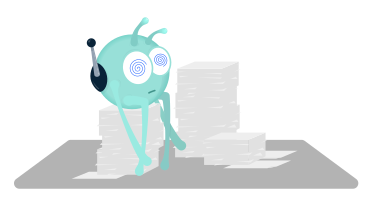
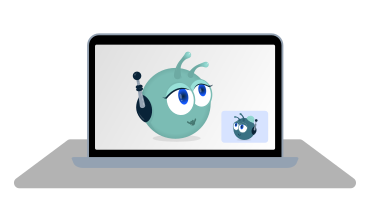
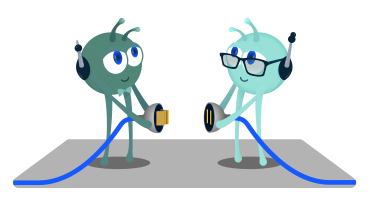
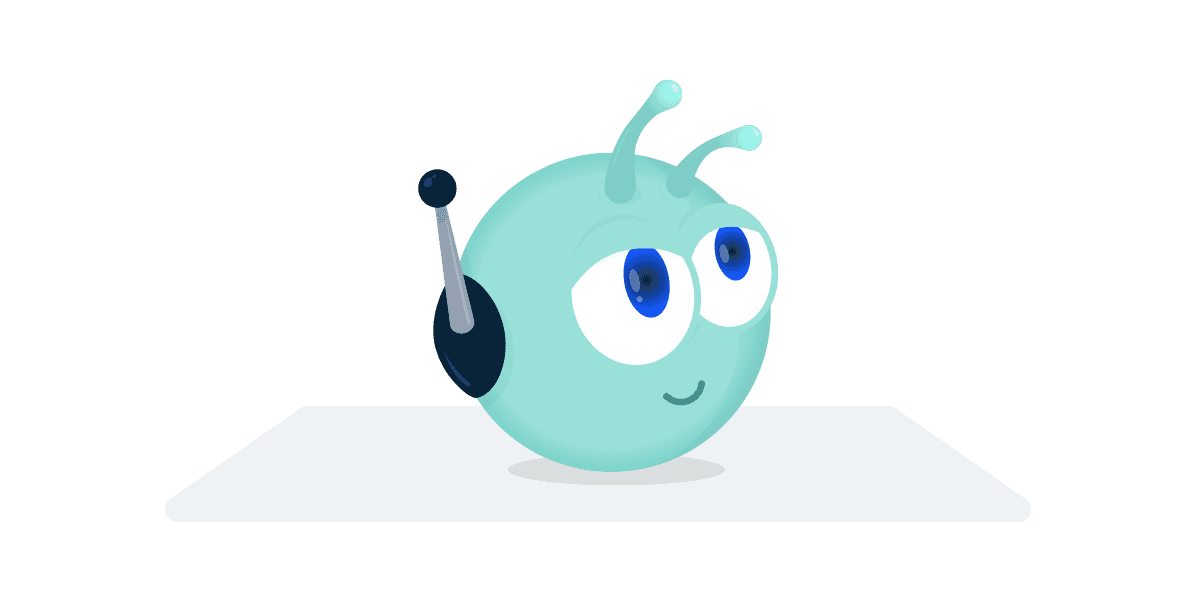
These illustrations were created to support Belt’s brand identity while enhancing the product experience. The characters helped give the interface a more recognisable and approachable personality, and were used across both marketing and the product interface.
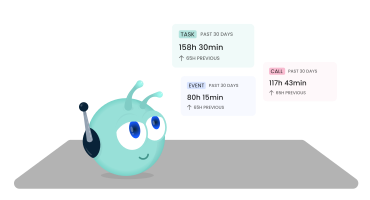
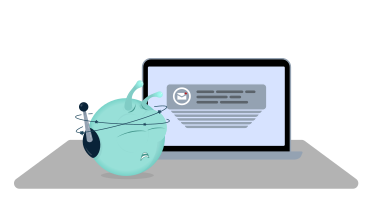
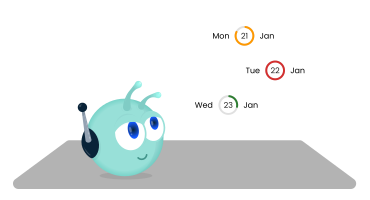
Within the product, they appeared primarily during onboarding and key system moments, such as guidance, empty states, and feedback. Their purpose was to make interactions feel more human while reinforcing the platform’s visual identity.
Mascot
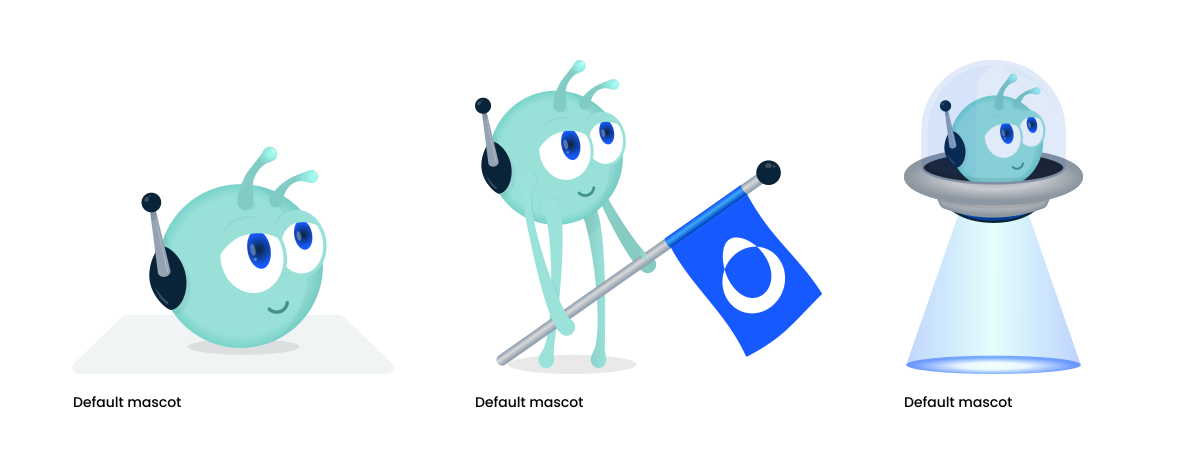
Belt mascot
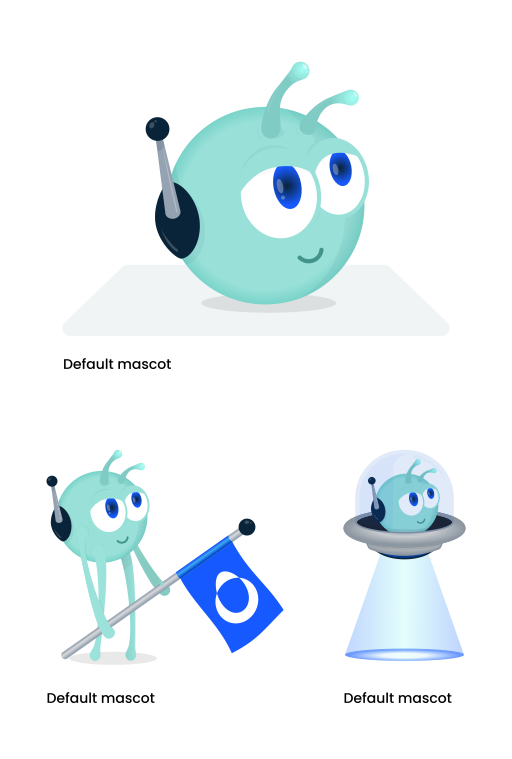
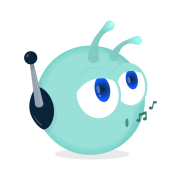
For the main character, I designed an alien mascot. Because Belt uses AI to recommend and organise tasks, we wanted to avoid overly literal representations such as robots or computer imagery. The alien concept referenced the idea that AI can feel unfamiliar or “other”, while still allowing the character to appear friendly and approachable.
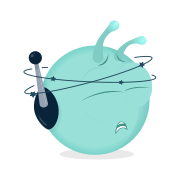
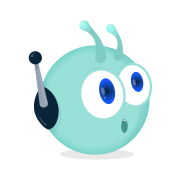
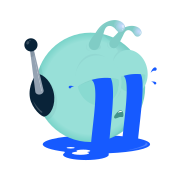
The character was intentionally simple in both shape and colour to ensure it supported the interface without distracting from core tasks. I built it around a soft, rounded form, with optional limbs and poses that could be adapted to different product scenarios. This allowed the character to remain recognisable while still being flexible enough for varied use cases.
As the product evolved, I introduced a range of expressions to support visual communication. For example, more neutral or sad expressions could indicate errors or empty states, while positive expressions reinforced success and completion.
As the number of variations grew, I created a shared illustration library in Figma. This ensured consistency across the product and gave both marketing and development teams a reliable, reusable set of assets.



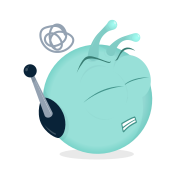


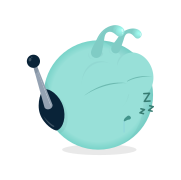

Main mascot colours
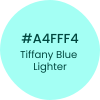
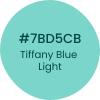
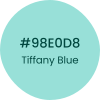
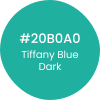


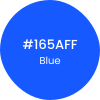
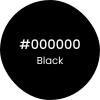
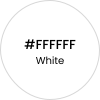
Other mascot colours
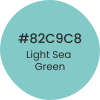
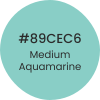
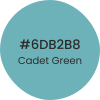
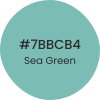
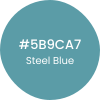
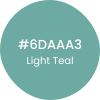
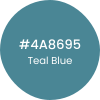
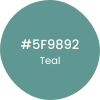
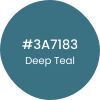
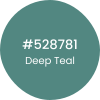
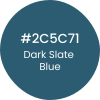


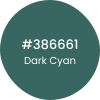
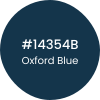
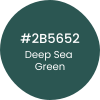
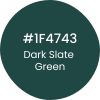
Accessories
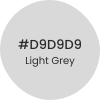
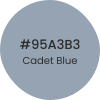
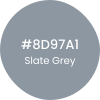
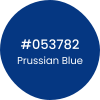
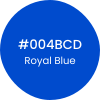
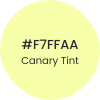
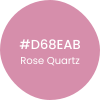
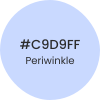
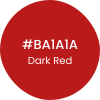
Colours
Supporting Characters
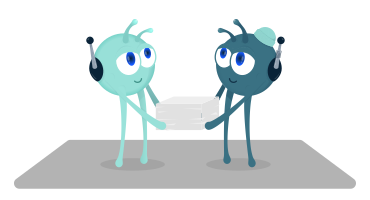
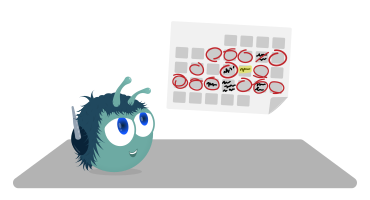
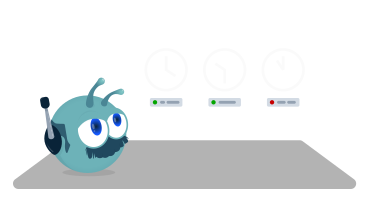
As the illustration system developed, relying on a single character began to limit the range of scenarios we could represent. To introduce more variety, I designed a set of supporting characters that could appear alongside the main mascot.
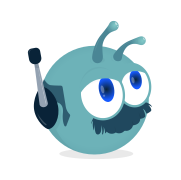
These characters helped reinforce the sense of a shared world and made it easier to visually represent different user situations and product moments. Rather than introducing entirely new visual styles, I based them on the same core shapes and proportions as the original mascot.
Variation was introduced through colour and simple accessories, allowing each character to have its own personality while maintaining a cohesive visual language.
By keeping forms simple and colours closely aligned, the illustration system remained flexible, recognisable, and easy to apply consistently across both product and marketing contexts.

Boss

Colleague

Assistant

Intern

Client
Supplier